Why Contractor Systems Will Change the Way You Protect Your Margins in 2026
- The Organized Contractor Co.

- Feb 6
- 5 min read
You're not imagining it. Margins are getting squeezed harder than ever, and 2026 isn't looking any friendlier.
Material costs spike between the time you bid and the time you buy. Supplements get "lost" in the shuffle between your estimator, your PM, and your admin. Clients push back on change orders. Suppliers change prices without warning. And somehow, you're the one absorbing all of it.
Here's the reality: the old way of protecting margin: bidding based on memory, chasing paperwork, and hoping prices hold: doesn't work anymore. The market moved. The rules changed. And if your business is still running on hustle and heroics instead of systems, you're operating as an involuntary lender every single time material costs move.
This isn't about working harder. It's about installing the infrastructure that makes margin protection automatic, predictable, and repeatable. Let me show you why systems are the only way forward: and what that actually looks like in practice.
The Margin Threat Is Real (And Getting Worse)
Let's start with the numbers.
Project abandonment activity increased 88.2% year-over-year in August 2025. Developers are revisiting budgets mid-project. Clients are challenging every line item. And contractors locked into fixed-price contracts without escalation protection are absorbing every material increase directly into shrinking profit.

The core problem? Lag.
You estimate based on costs from six months ago. You rely on memory. You bid the job, celebrate the win, and three weeks later your supplier tells you shingles went up 12%. Now the job that looked like a solid 30% margin is barely breaking even: and you haven't even started production yet.
This is what I call the chaos tax. It's invisible until it's not. And by the time you see it, it's too late.
[OWNER NOTE]: If your estimator is pricing jobs without weekly cost updates, you're gambling with margin on every single bid. That's not strategy: that's hope.
Why Traditional Approaches Don't Work Anymore
Here's what most contractors are still doing:
Reviewing supplier pricing quarterly (if at all)
Estimating manually based on "what it cost last time"
Waiting until project completion to invoice
Assuming material costs will hold
Chasing supplements after the fact
Reacting to cost overruns instead of preventing them
This worked when material costs were stable. When lead times were predictable. When clients weren't scrutinizing every change order.
But that world is gone.
Material cost volatility isn't a phase: it's permanent. Tariff pressures, supply chain disruptions, and inflation mean that the "set it and forget it" pricing model is economically unsustainable. Every job you bid without real-time cost data is a gamble. And every supplement you don't track systematically is money you'll never collect.
[OPS NOTE]: If your team doesn't have a standard supplement tracking workflow: intake, documentation, submission, follow-up, and collection: you're leaving thousands on the table every month.
The System Shift: From Reactive to Repeatable
Winning margin protection in 2026 requires systematizing protection, not guessing better.
The shift isn't about being smarter or working harder. It's about treating pricing, cost tracking, and cash flow as continuous, automated inputs instead of one-time exercises you revisit when something breaks.
Here's what that looks like in practice.
1. Frequent Pricing Discipline (Financial & Pricing)
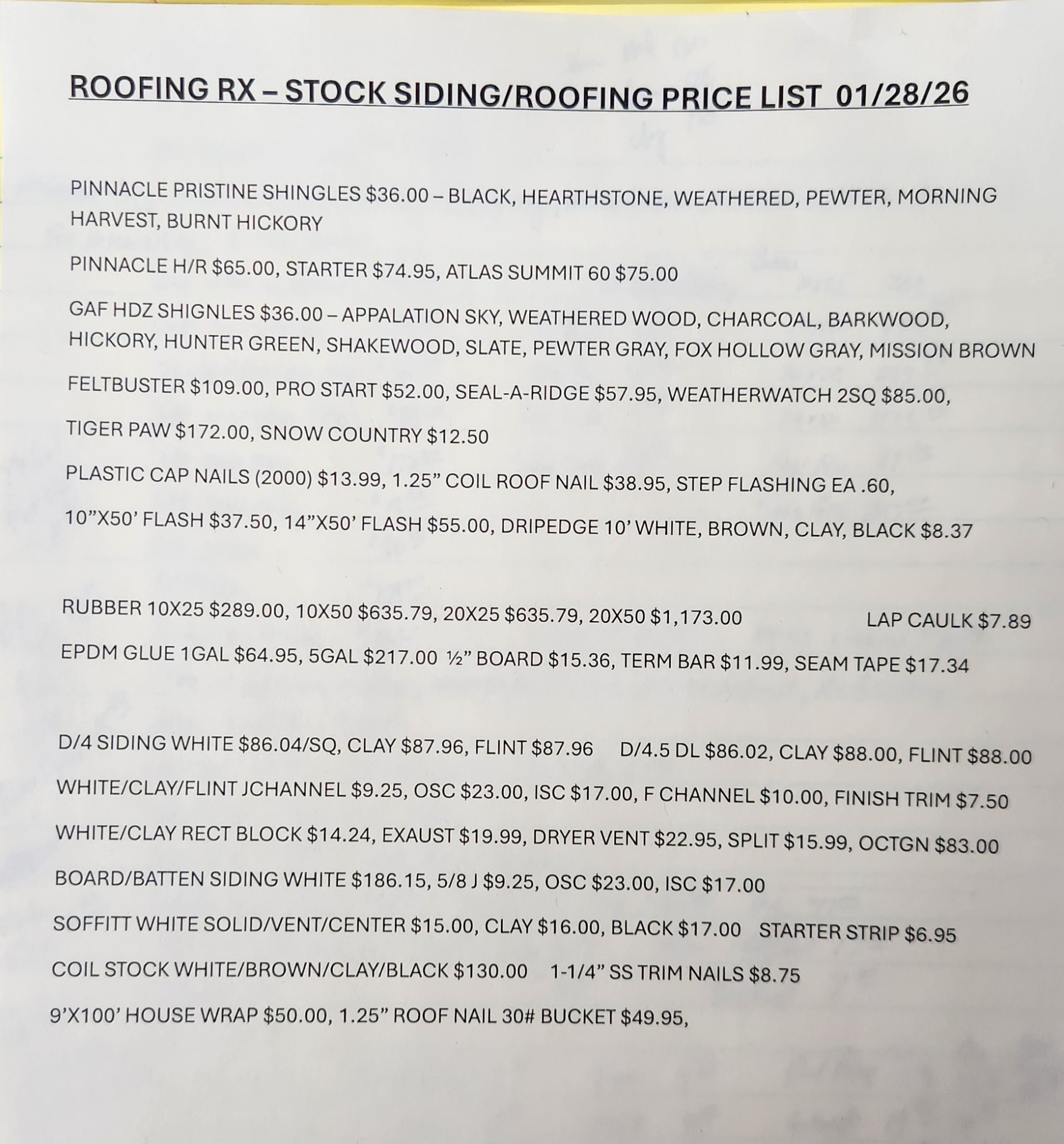
Leading contractors are reviewing supplier pricing weekly or biweekly: not quarterly or annually. This single habit makes bid accuracy possible.
Why? Because a 12% shingle increase doesn't surprise you when you've been watching it creep up 2% per week. You adjust your bids in real time. You protect margin before it erodes.
What to implement:
Weekly pricing check-ins with your top 3 suppliers
A simple spreadsheet or CRM field tracking "last updated" dates for key materials
A pricing validity window (14–30 days) on every estimate
[OWNER NOTE]: This isn't micromanagement. This is treating your pricing as a living asset that requires maintenance: just like your trucks and your tools.
2. Supplement Tracking as a Standard Workflow (Operations & Production)
Uncollected supplements are one of the biggest silent margin killers in roofing and exterior work. You do the work. You document it. And then it sits in a folder, on a desk, or "pending" in your CRM until everyone forgets about it.
The fix? A repeatable supplement workflow.
What to implement:
Intake: Supplement identified on-site and logged immediately (photo, scope, cost estimate)
Documentation: Estimator reviews, documents, and prices within 24 hours
Submission: Supplement submitted to client/adjuster with tracking confirmation
Follow-up: Weekly check-in until approved
Collection: Invoice tied to approval and payment milestone
[OPS NOTE]: Assign one person to own supplement tracking end-to-end. If everyone owns it, no one owns it.
3. Real-Time Cost and Margin Tracking (Financial & Pricing)
Post-project reviews don't protect margin. They just tell you where it disappeared.
Real-time cost tracking surfaces cost movement, supplier exposure, and labor variance as live daily inputs: not surprises you find out about three months later.
What to implement:
Monthly WIP (work in progress) reconciliation for every active job
Calendar-driven project reviews using standardized data templates
A simple dashboard showing: estimated cost vs. actual cost vs. remaining budget
[OWNER NOTE]: If you can't pull up a job's current margin in under 60 seconds, your system isn't protecting you: it's hiding problems.
4. Contract Protections as Standard Risk Management (Sales & Growth)
Escalation clauses and cost adjustment provisions aren't aggressive. They're essential business protection.
Clear language like "Pricing valid for 14 days from issue date" or "Material cost increases exceeding 5% will be reflected in a revised estimate" sets expectations early and shortens validity windows during unstable periods: without client resistance.
What to implement:
Standard escalation clause language in every contract template
A pricing validity window tied to your supplier update cadence
A change order process that's clear, fast, and non-negotiable
[OPS NOTE]: Build these protections into your proposal template so they're automatic: not a last-minute scramble when costs spike.

5. Progressive Invoicing and Cash Flow Discipline (Financial & Pricing)
Waiting until project completion to invoice means you're personally financing material price increases.
Progressive invoicing: upfront deposits, milestone-based billing, and fast payment methods: prevents you from absorbing volatility out of pocket.
What to implement:
40% deposit at contract signing (standard across TOCC clients)
Progress billing tied to production milestones (materials ordered, tearoff complete, install complete, final inspection)
Net-15 payment terms (not net-30 or "whenever")
[OWNER NOTE]: If you're not collecting meaningful deposits upfront, you're running a lending business: not a roofing business.
6. Strategic Inventory Management (Operations & Production)
Random stockpiling isn't strategy. Strategic inventory management means keeping limited quantities of high-use materials (shingles, fasteners, underlayment) during favorable pricing windows: and having a system to know when and why you're doing it.
What to implement:
A purchasing threshold tied to known upcoming jobs
Clear tracking of what's in stock, what's allocated, and what's available
A monthly inventory reconciliation to prevent "mystery shrinkage"
[OPS NOTE]: If your team can't tell you what's in the shop and what it's worth, you don't have inventory: you have clutter.
The Outcome: Predictable Margin, Repeatable Profit
Systems don't eliminate volatility. They neutralize it.
When you treat pricing as a live input, supplements as a standard workflow, and cash flow as a strategic discipline, margin protection stops being a reaction and starts being a rhythm.
You know what jobs are worth before you bid them. You track costs as they move. You collect what you're owed when you're owed it. And you protect profit without constant firefighting.
That's the shift. From chaos to clarity. From reactive scrambling to repeatable control.
What's Next?
If you're reading this and thinking, "I know we need this, but I don't know where to start," you're not alone.
Most contractors aren't losing margin because they're bad at roofing. They're losing it because the business is running on memory, hustle, and heroics instead of systems.
The good news? You don't have to build this overnight. You just need to start with the one system that's bleeding the most margin right now: and install it cleanly.
Want help identifying where to start? Book a Business Health Check and we'll map your top 3 operational leaks: pricing discipline, supplement tracking, or cash flow gaps: and give you a 30-day action plan to plug them.
Because in 2026, systems aren't optional. They're the only way you protect what you've built.